Certificate of Analysis
Each batch of MOTS-c undergoes rigorous third-party testing to ensure purity and identity verification. View the full lab report below.
MOTS-c
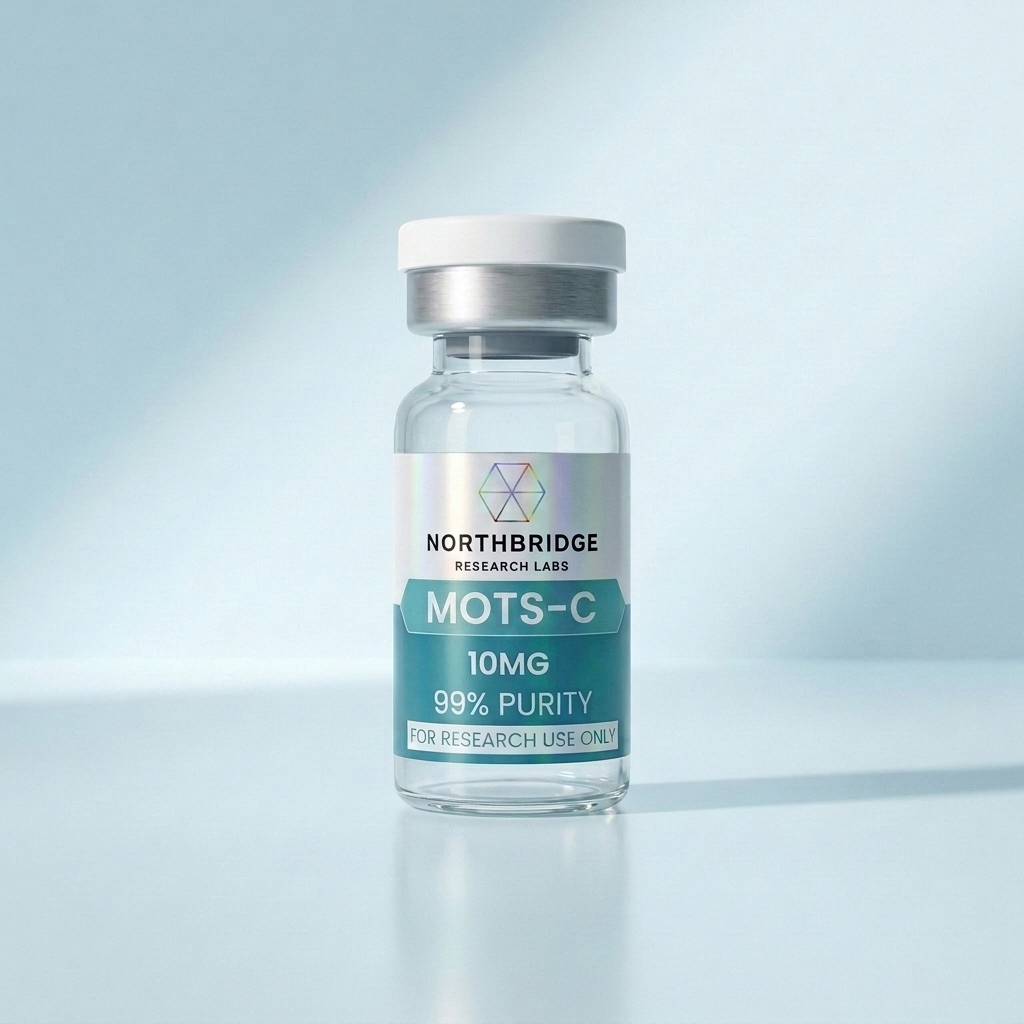
MOTS-c is a mitochondrial-derived peptide consisting of 16 amino acids. This research compound is studied for its role in metabolic regulation and cellular energy pathways.
99%+
10mg
Bundle & Save
Order before 2 PM EST, ships the same day. Fast, fully tracked, and sent in discreet, secure packaging. Free shipping on orders over $99.
Purity Guarantee. If independent third-party testing doesn't confirm our stated purity standards, you get a full refund plus a free replacement.
For Research Use Only
Intended for in-vitro research only. Not for human consumption. Must be 21+.
Specifications
Certificate of Analysis
Each batch of MOTS-c undergoes rigorous third-party testing to ensure purity and identity verification. View the full lab report below.
Research background
MOTS-c: The Mitochondrial-Derived Exercise Mimetic
MOTS-c is a 16-amino-acid peptide encoded in mitochondrial DNA. Here is what the mouse, cell and human observational studies show about its folate-AMPK mechanism, nuclear signaling and exercise link, and what is still unresolved.
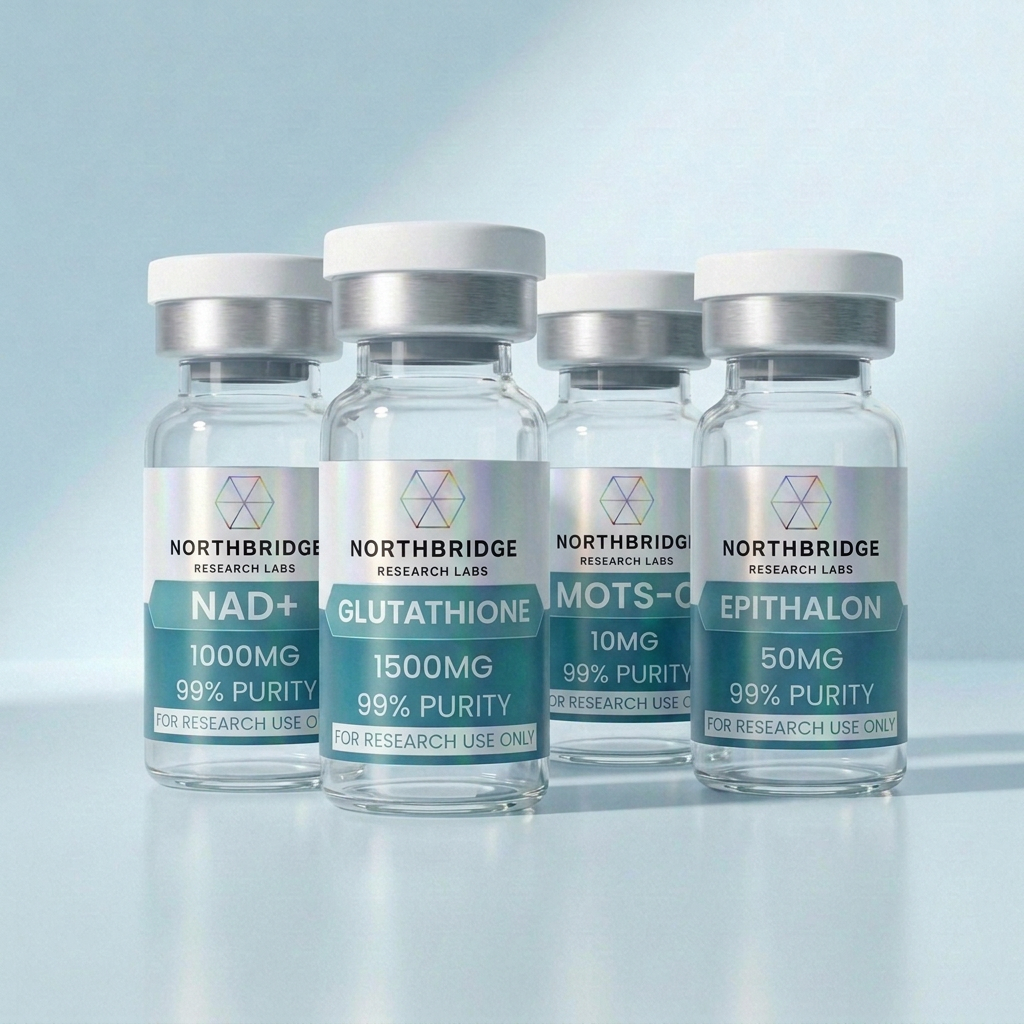
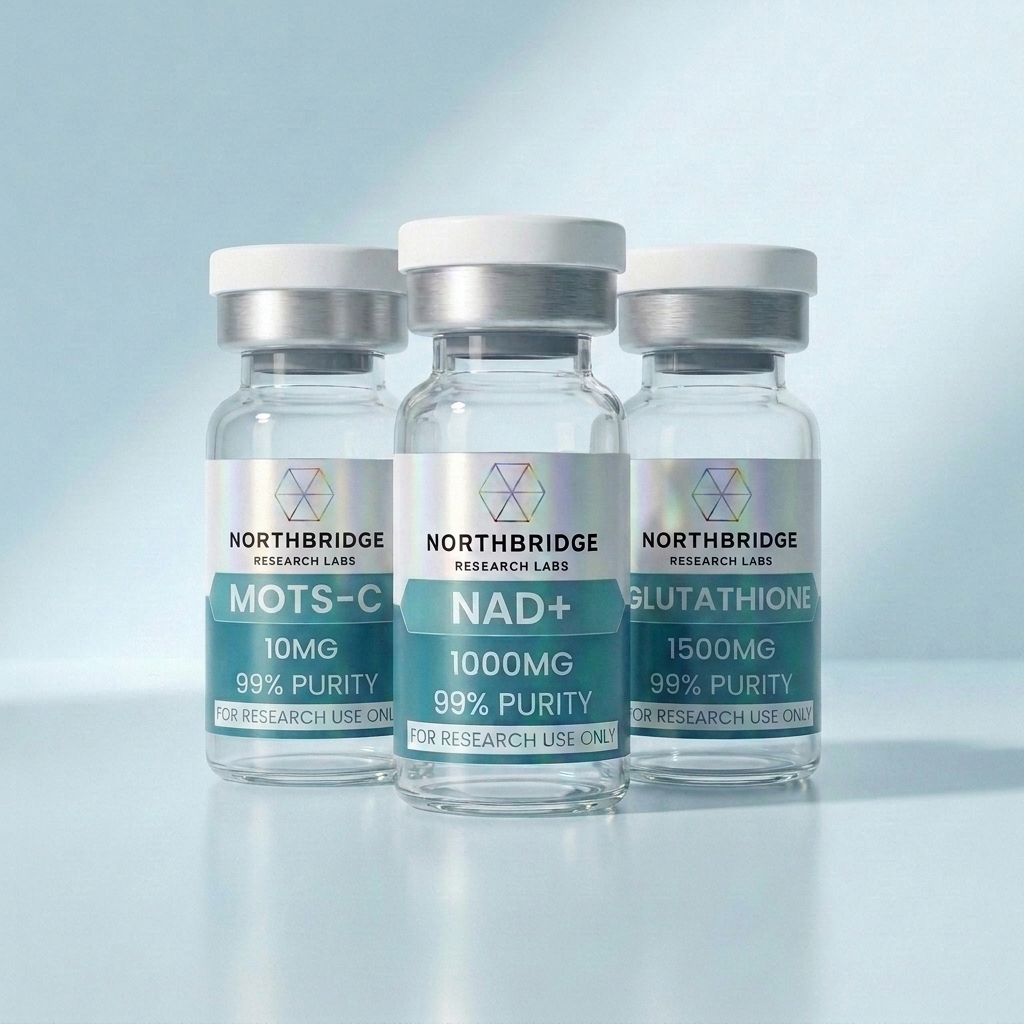
Buy it as a stack
This compound is part of our curated sets. Same vials, same testing, lower total.



Overview
Biochemical Characteristics
MOTS-c is translated from an alternative open reading frame within the mitochondrial 12S rRNA gene. The peptide contains two methionine residues and multiple aromatic amino acids contributing to its biological activity in experimental models.
Research Applications
Pathway / Mechanistic Context
Preclinical Research Summary
Form & Analytical Testing
Mechanisms of Action
AMPK Activation - Directly and indirectly activates the cellular energy sensor AMP-activated protein kinase
Metabolic Regulation - Enhances glucose uptake and fatty acid oxidation through GLUT4 translocation
Mitochondrial Function - Improves mitochondrial biogenesis and oxidative phosphorylation efficiency
Nuclear Translocation - Translocates to nucleus to regulate gene expression programs related to metabolism
Research Applications
1Metabolic & Diabetes Research
Primary research focus on metabolic regulation and glucose homeostasis.
Key Research Findings
- Improves insulin sensitivity in diet-induced obese mice
- Enhances glucose uptake in skeletal muscle through GLUT4
- Reduces diet-induced obesity and metabolic dysfunction in mouse models
- Activates AMPK to promote metabolic flexibility
2Mitochondrial Biology Research
Studies on mitochondrial function and retrograde signaling.
Key Research Findings
- Represents novel mitochondrial-derived peptide class
- Translocates to nucleus under metabolic stress
- Improves mitochondrial oxidative capacity
- Modulates mitochondria-nuclear communication
3Exercise & Aging Research
Investigation of physical performance and age-related decline.
Key Research Findings
- Enhances exercise capacity in research models
- Levels decline with aging in multiple tissues
- Exercise increases endogenous MOTS-c expression
- Potential role in exercise-induced metabolic benefits
Supporting Research & Bibliography
The following peer-reviewed publications support the research applications described above. References are provided for informational purposes to assist researchers in their literature review.
Total references: 4
Note: The information provided is for research reference only. It summarizes published in-vitro, animal and, where cited, human clinical studies of the compound; findings from those studies are not claims about this product. This product is intended for laboratory research purposes only. Not for human or veterinary use.
Research Use Only: This product is intended for laboratory research purposes only. Not for human or veterinary use. By purchasing, you confirm that you are a qualified researcher and will use this product in accordance with all applicable regulations.